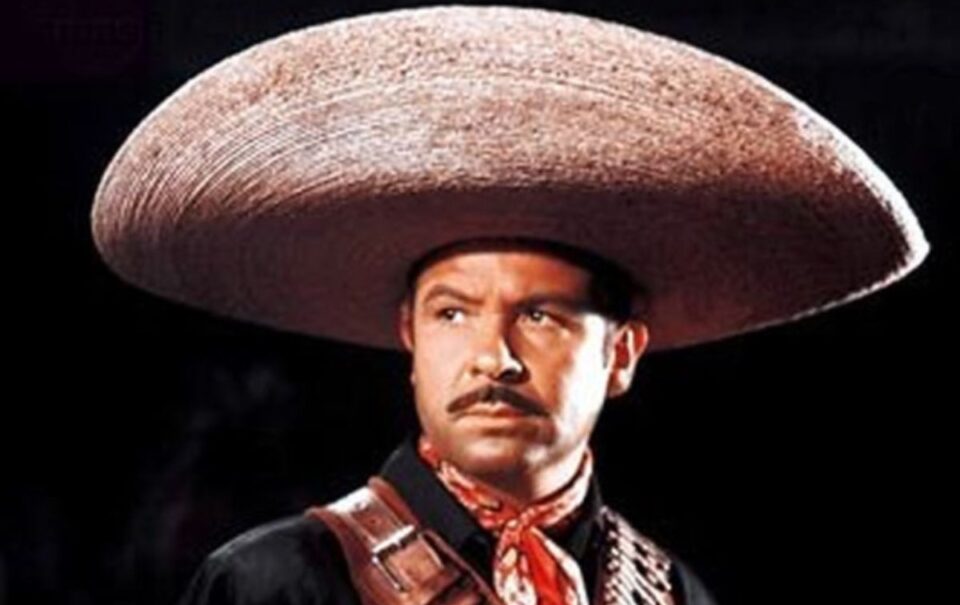
Antonio Aguilar, known as “El Charro de México,” was a legendary figure in Mexican music and cinema, admired by millions for his talent and charisma.
Behind the public image of this iconic charro and his devoted wife, Flor Silvestre, lay a profound secret that remained hidden for decades—until Flor Silvestre’s final confession revealed a story of love, sacrifice, and family complexities that changed the way Mexico remembers one of its greatest stars.
For nearly 50 years, Antonio Aguilar gifted Flor Silvestre flowers every day, a gesture the public saw as a symbol of enduring romance.
However, Flor Silvestre disclosed in a handwritten letter found after her death that these daily flowers carried a deeper meaning—a silent apology for a love and responsibility he could not openly claim.
The letter, addressed to their children Pepe and Antonio Jr., revealed a secret that had been carefully guarded: Antonio Aguilar had a son born out of wedlock in 1955, three years before his official marriage to Flor Silvestre.
This child was the product of a relationship with a woman whose identity Flor chose not to disclose, respecting a promise made to Antonio.
This son, Miguel Ángel Ramírez Cruz, was recognized by Antonio but never publicly acknowledged due to the social stigma of the time.
The mother, Socorro Cruz Villarreal, raised Miguel Ángel alone, supported quietly and financially by Antonio from the shadows.
The fear of scandal and its impact on Antonio’s career and the child’s life dictated this secrecy.
Flor Silvestre became the guardian of this secret, accepting the complex reality of sharing her husband’s love with a son she never publicly claimed.
Antonio’s frequent disappearances during their early marriage were, in fact, clandestine visits to Miguel Ángel, moments stolen from the demands of fame and family.
In 1950s Mexico, illegitimacy was harshly judged, and public figures faced severe consequences for personal indiscretions.
Antonio Aguilar chose to protect his son from this cruelty by remaining a father in secret, providing financial support and love while keeping his identity hidden.
Flor’s letter explained that the flowers Antonio gave her were not just romantic tokens but daily acts of penance—apologies for the love he could not openly share and the son he could not publicly acknowledge.
After Flor Silvestre’s death in 2020, Pepe Aguilar found the letter and began to unravel the truth.
The family hired a genealogist, who confirmed the existence of Miguel Ángel Ramírez Cruz, born in Monterrey in July 1955.
Miguel Ángel grew up to be a respected musician and teacher, living a quiet life until his death in 2019, just a year before Flor’s passing.
The revelation led to contact with Miguel Ángel’s son, Ramiro Ramírez Garza, who was 38 years old and a guitar teacher in Monterrey.
Ramiro had received a letter from his father revealing his true paternity, and upon speaking with Pepe and Antonio Jr., he was embraced as part of the Aguilar family.
The family’s acceptance of Ramiro and his children marked a new chapter of healing and inclusivity.
Though Ramiro chose not to change his last name out of respect for his father’s life and identity, the Aguilar family welcomed him warmly, recognizing that family bonds transcend legal documents.
Ángela and Leonardo Aguilar, the younger generation, embraced their newfound cousins, symbolizing a family united by love rather than just bloodlines or names.
Pepe Aguilar established the Miguel Ángel Ramírez Aguilar Foundation, dedicated to supporting children born out of wedlock or unrecognized by public figures, providing education and healthcare to those often marginalized by societal stigma.
In 2022, the family held a private event at the Rancho El Soyate to honor the full story of Antonio Aguilar’s life and legacy, including the son he loved in silence.
The Rancho was later declared a national cultural heritage site, with a museum section dedicated to the complete history of the Aguilar family.
The confession of Flor Silvestre and the subsequent revelations sparked national conversations in Mexico about family, legitimacy, and the human complexities behind public personas.
It challenged traditional views on parenthood and honor, emphasizing love, responsibility, and compassion over social judgment.
The story inspired other families to share their hidden truths, promoting healing and understanding across generations.
Antonio Aguilar’s legacy, enriched by this newfound understanding, illustrates the imperfect humanity behind the legend.
Flor Silvestre’s courage to reveal the truth posthumously showed a profound love and wisdom, protecting her family while advocating for honesty and acceptance.
Their story is now part of Mexican folklore, a testament to love’s endurance through hardship, the sacrifices made for family, and the power of truth to heal.