The vibrant world of urban music has always been a space characterized by intense passion, relentless creative drive, and an unyielding spotlight that leaves little room for human vulnerability.
This delicate balance between public expectation and private reality was pushed to a breaking point during a highly anticipated concert event that has sent shockwaves throughout the global reggaeton community.
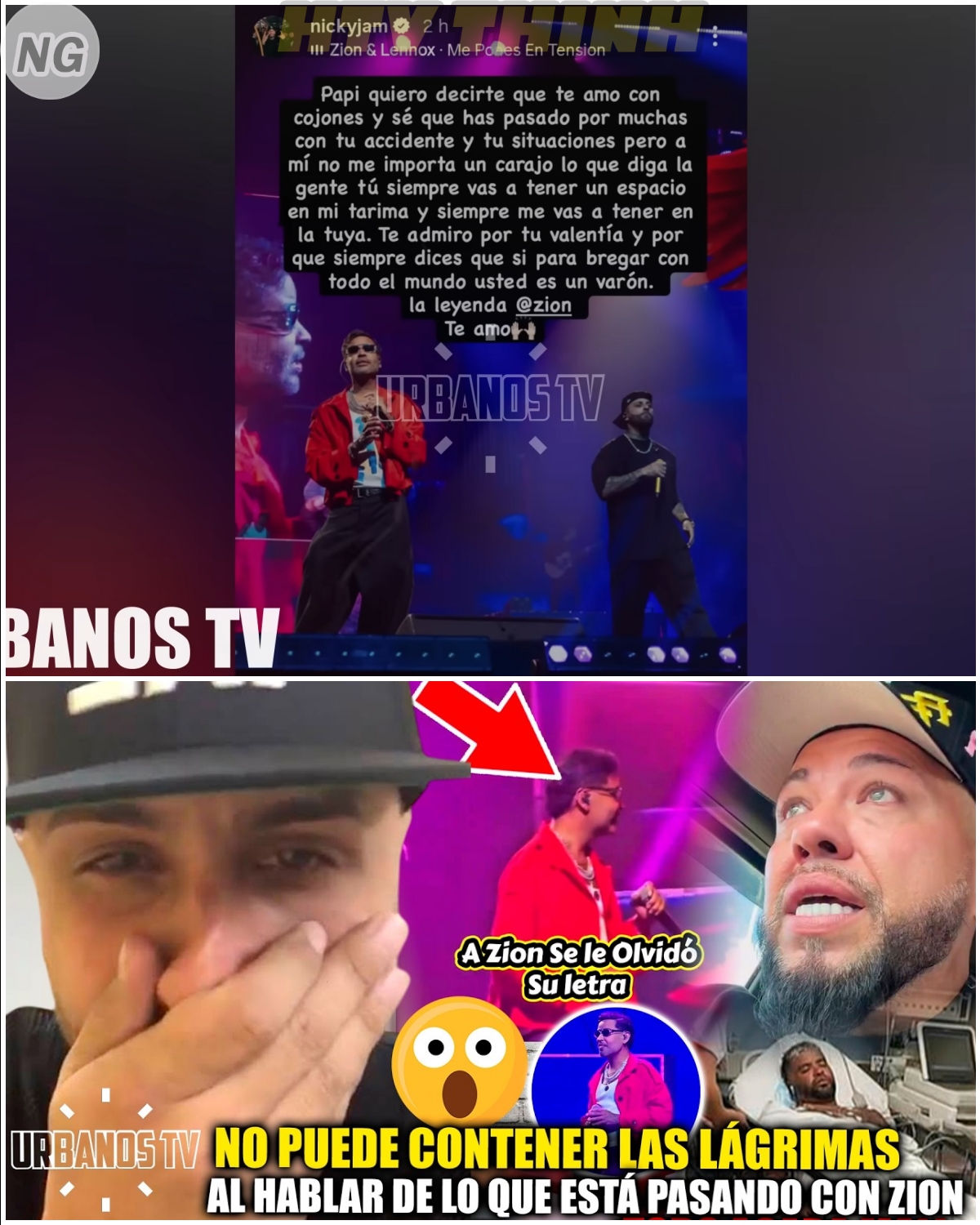
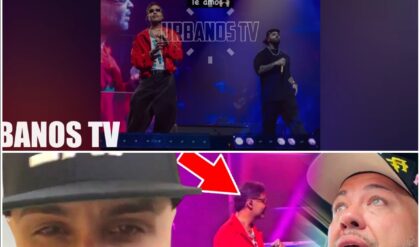
The initial performance of multi-platinum icon Nicky Jam’s concert series at the prestigious Coliseo de Puerto Rico—universally known to fans and industry insiders alike as the Choliseo—was intended to be a monumental celebration of the genre’s rich history and enduring cultural dominance.
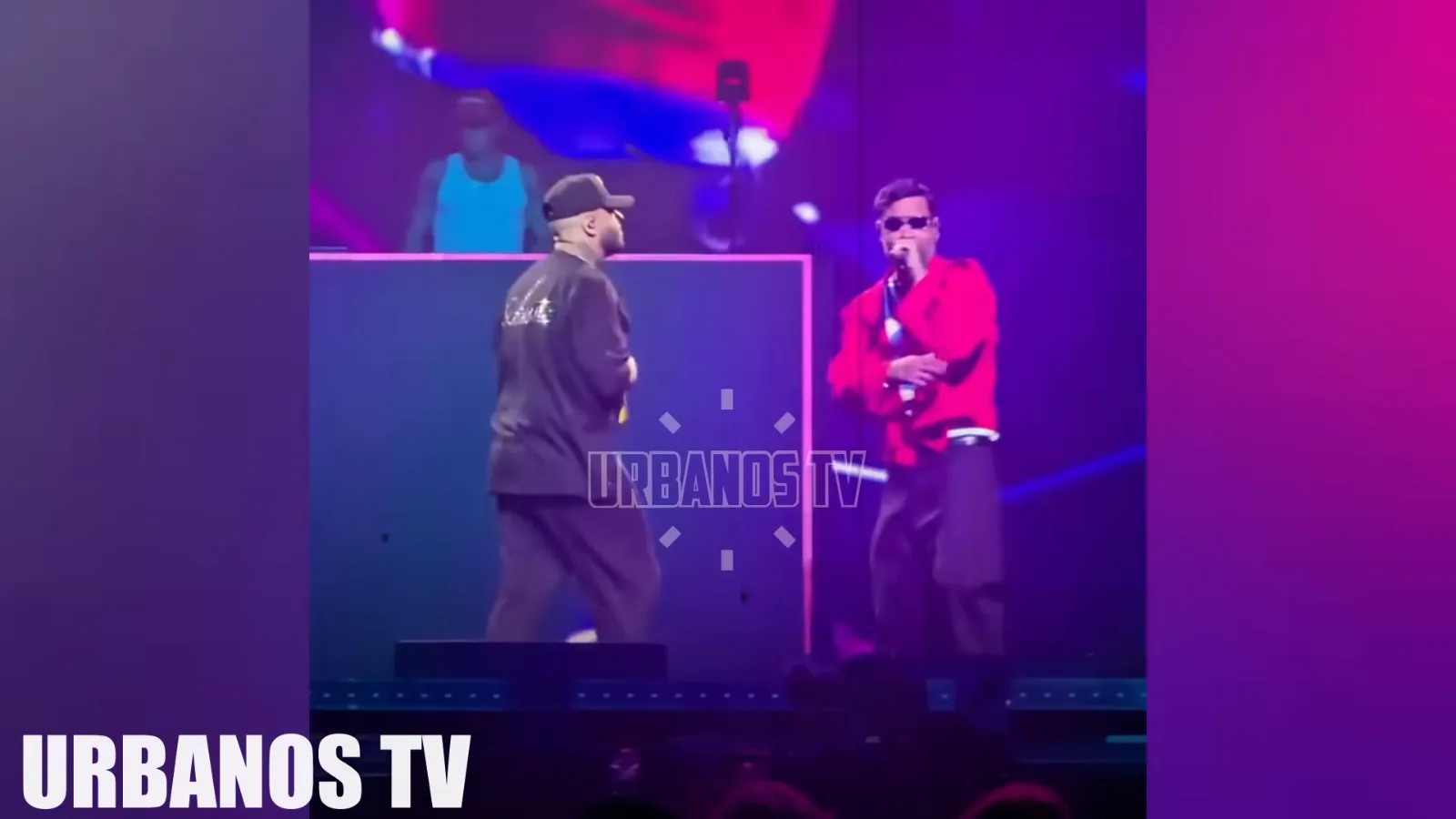
However, the narrative of the evening shifted dramatically following a guest appearance by the legendary urban artist Zion, formerly one-half of the pioneering duo Zion & Lennox.
His behavior on stage triggered a wave of public concern, aggressive internet speculation, and an eventual, deeply emotional defense from his musical peers on June 16, 2026.
Attendees who packed the historic Puerto Rican venue for the first show of the concert series quickly noticed that something was fundamentally amiss when Zion took the stage.
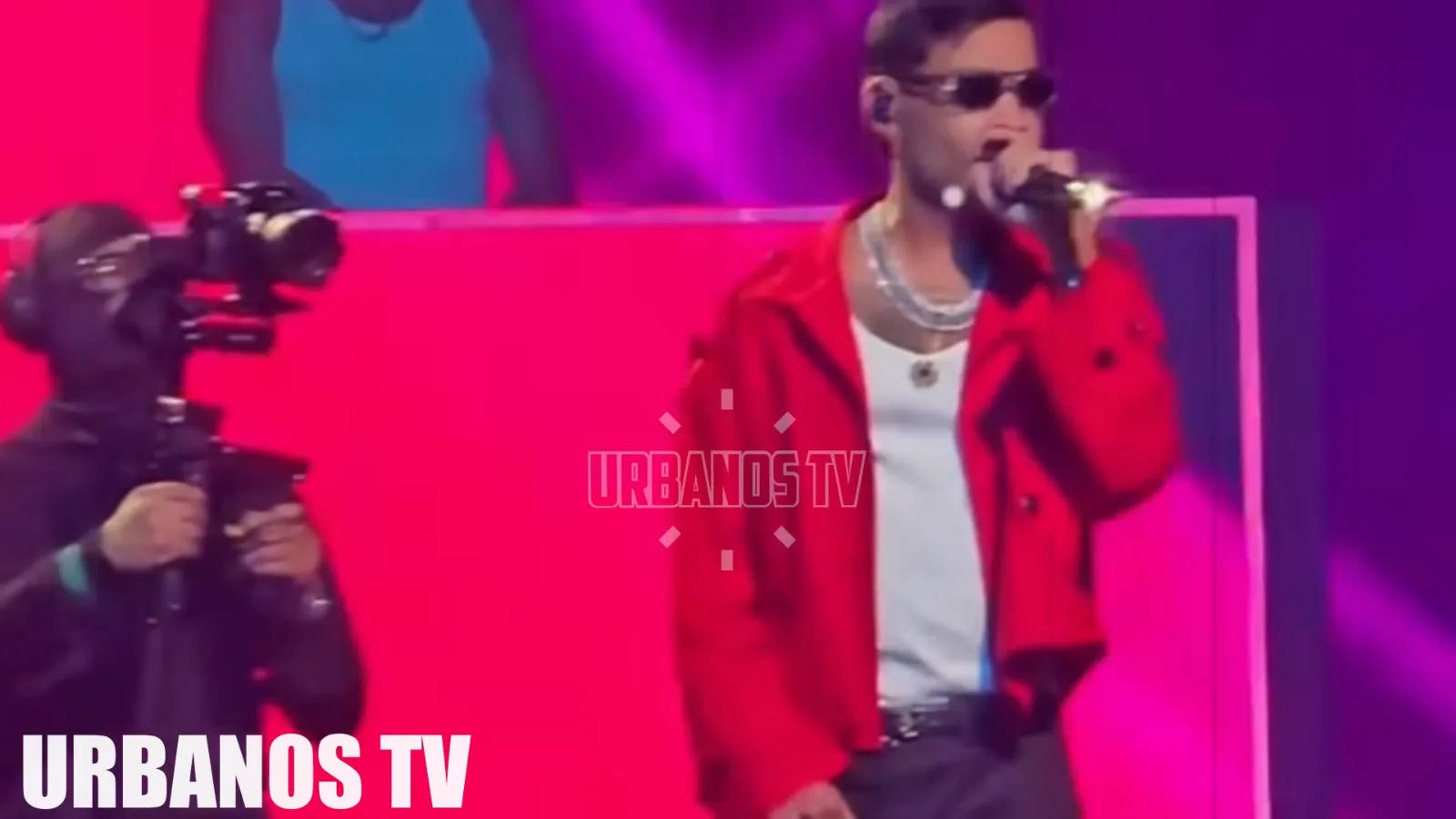
Observers throughout the arena documented a series of highly unsettling physical and professional anomalies that starkly contrasted with the artist’s historically charismatic, high-energy stage presence.
Fans positioned close to the stage reported seeing strange, erratic facial gestures and a visibly vacant, lost look in the singer’s eyes.
This apparent disorientation immediately manifested in his musical execution, resulting in an inconsistent vocal performance that struggled to match the backing tracks.
The situation reached a critical point when Zion appeared to completely forget the iconic lyrics to some of his most celebrated anthems, leaving gaping silences in his performance and forcing the audience and backing vocalists to fill the void.
Within minutes of the performance concluding, social media platforms were flooded with amateur concert footage, with shell-shocked fans openly questioning the artist’s health and demanding to know how a seasoned veteran could suffer such a profound onstage disconnect.
The fallout on digital platforms was instantaneous and unforgiving. As the footage of the performance went viral, the initial expressions of confusion among fans rapidly evolved into specific, highly damaging allegations.
A significant contingency of internet commentators, influencers, and casual observers began speculating that the former Zion & Lennox member was battling a severe addiction to illicit substances, attributing his erratic motor skills and cognitive lapses to immediate intoxication or long-term substance abuse.
The narrative gained momentum across TikTok, Instagram, and various urban music blogs, threatening to permanently tarnish the legacy of an artist who spent over two decades helping to build the commercial foundations of modern reggaeton.
The speed with which the public transitioned from consuming his art to analyzing his perceived personal downfall highlighted the transactional, often disposable nature of modern celebrity culture.
Faced with an escalating public relations crisis and a deeply concerning wave of cyberbullying directed at a beloved colleague, prominent Puerto Rican influencers and established recording artists felt an urgent professional and personal obligation to intervene.
These defenders stepped forward to aggressively correct the public narrative, reminding critics and armchair psychologists that the disturbing behavior witnessed at the Choliseo was not the result of active substance abuse, but rather the visible, ongoing neurological and physical sequelae of a catastrophic traffic accident that nearly claimed the reggaetonero’s life on October 7, 2025.
The violent collision had left the artist with severe structural and cognitive trauma, a medical reality that his inner circle had quietly managed while Zion attempted to maintain his demanding professional commitments.
In the months preceding this controversial concert appearance, Zion had been relatively candid in various media interviews regarding the profound trauma of the accident, though the general public had seemingly failed to comprehend the long-term gravity of his injuries.
The singer had previously articulated the deep-seated psychological terror that has gripped him since the crash, admitting that he has developed a severe fear of anything involving speed, racing, or taking unnecessary physical risks.
Recounting the night of the tragedy, Zion described a chaotic sequence of events where he was traveling with a large, decent, and humble group of friends under a formal police escort to return a fleet of all-terrain quad bikes.
It was late, well past 10:00 p.m., and the artist was running on extreme physical exhaustion, having failed to secure adequate rest after a grueling schedule.
Moments after consuming a heavy meal of fried chicken and french fries, the routine transit turned into a violent impact that shattered his physical well-being.
The medical journey that followed the October 2025 accident was exhausting and profoundly discouraging for the global superstar.
Zion revealed that in his desperate quest to regain his health, he consulted with more than seven independent medical specialists and neurologists.
The consensus among the medical community was uniform and sobering: the singer was informed that he would have to wait a minimum of two full years of intensive rehabilitation before he could realistically expect to return to being the same person he was prior to the collision.
This two-year prognosis represented an eternity for an artist accustomed to the non-stop momentum of the music industry.
Zion openly acknowledged to interviewers that he simply could not afford to sit quietly at home for twenty-four months doing nothing.
Despite his brain and body requiring absolute rest, the economic, contractual, and psychological pressures of his career compelled him to return to the stage prematurely, creating the exact scenario that unfolded at the Choliseo.
Reflecting on the doctors’ warnings, Zion recalled his shock, questioning how he was supposed to pause his entire life and livelihood when all he wanted to do was work, perform, and prove his enduring capability to the world.
Recognizing the immense physical and emotional suffering of his close friend and contemporary, Nicky Jam utilized his own massive platform to break his silence and deliver an unconditional defense of Zion.
Speaking directly to the audience and looking toward his embattled colleague, Nicky Jam delivered a powerful message of brotherhood that cut through the noise of the media controversy.
He expressed his profound love for Zion, acknowledging the immense hardships his friend had endured since the near-fatal accident.
Nicky Jam made it explicitly clear that he did not care about the negative opinions circulating online, asserting that Zion would always possess an open invitation to share his stage, just as he would always support Zion on theirs.
He commended the singer’s immense bravery for refusing to hide from the public, praising his willingness to show up and face the world despite his limitations.
By publicly labeling him “The Legend, Zion,” Nicky Jam sought to remind the industry that a medical crisis does not erase decades of cultural contribution.
The wave of solidarity extended beyond Nicky Jam, as other prominent figures within the genre emerged to voice their distress over the public’s harsh treatment of a living legend.
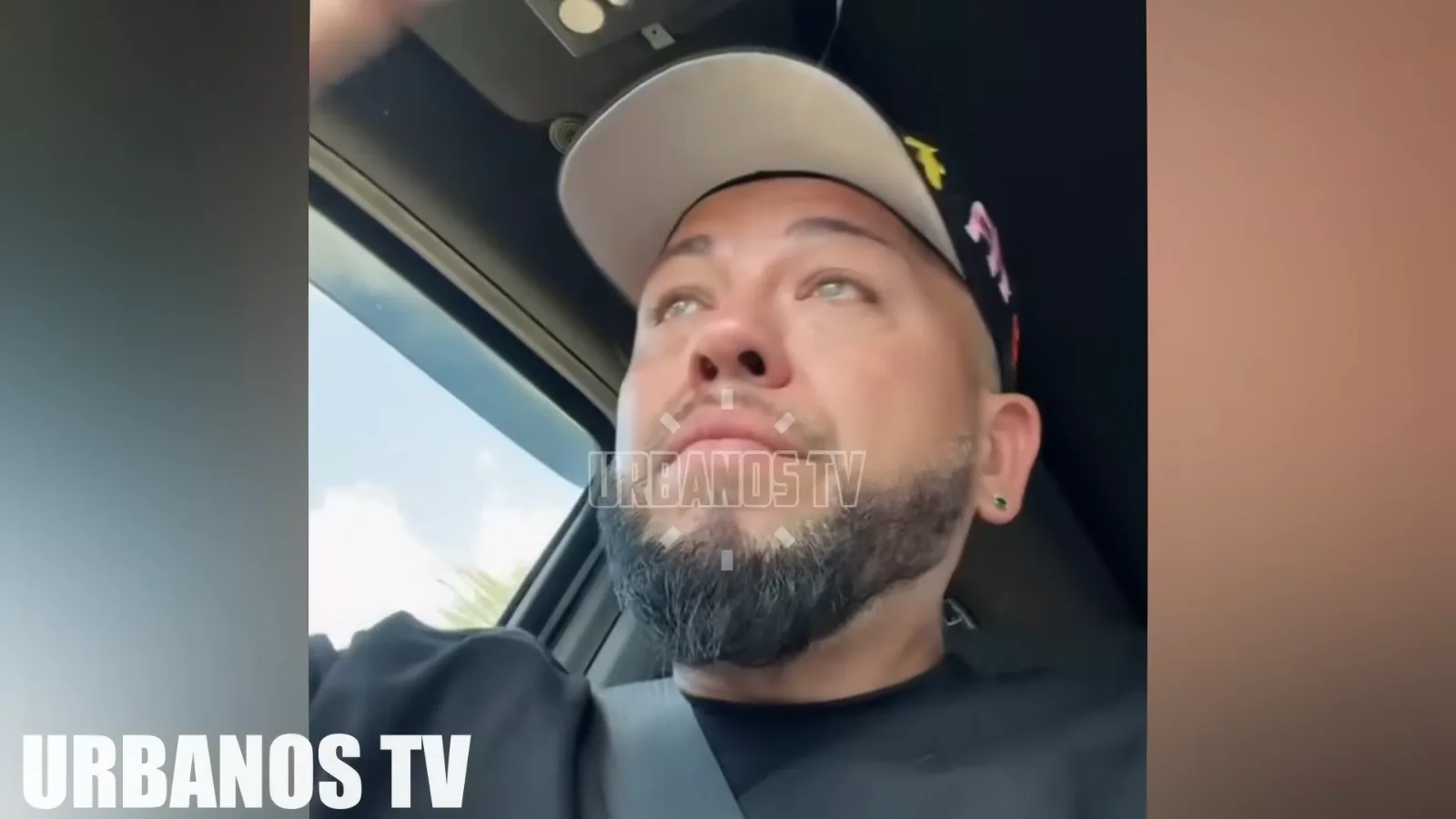
The popular urban artist Joel El Broco published an incredibly raw video response, visibly weeping on camera as he lamented the toxic cycle of consumerism within the music industry.
El Broco argued that the current backlash against Zion is a symptom of a systemic issue where audiences completely discard artists the moment they display human weakness or age, quickly forgetting the years of glory, hit records, and cultural wealth they provided to the world.
He admitted that when he initially viewed Zion’s recent vocal performances, he wondered why the artist’s team allowed him to take the stage in that condition.
However, after speaking with mutual friends and confronting the reality of their collective aging process, he realized the profound cruelty of telling an artist to simply step down or disappear.
El Broco questioned where an artist is supposed to find sustenance and purpose if the public robs them of their right to work, urging the community to show grace to a man who has achieved extensive international recognition and holds a deep repository of musical mastery.
As the debate surrounding the intersection of artist wellness, fan expectations, and the brutal realities of medical recovery continues to trend globally, the incident stands as a stark reminder of the human beings behind the multi-million-dollar entertainment industry.
Zion’s struggle highlights the immense, hidden pressures faced by legacy acts who must navigate the physical limitations of aging and severe physical trauma under the unforgiving scrutiny of the digital age.
While the internet remains a space prone to cynical speculation and rapid condemnation, the fierce, emotional protective ring formed around Zion by contemporaries like Nicky Jam and Joel El Broco signals a deeper corporate maturity within reggaeton.
It reflects an industry that is beginning to value the preservation of its pioneers over the unyielding demands of the performance calendar, proving that true brotherhood can withstand the chaotic court of public opinion.
News
¡Quiebre en la Casa Rosada! La realidad fáctica acorrala a Javier Milei en una jornada de extrema tensión política
El escenario político argentino, caracterizado históricamente por su volatilidad y la intensidad de sus debates internos, atraviesa un período de profunda reconfiguración que despierta severos cuestionamientos entre los analistas más experimentados del ámbito local. El lunes 15 de junio de…

El llanto que paraliza a la televisión: Un peronista ricotero cantó “la posta” de la calle y desarmó por completo al movilero de TN
La fractura expuesta del ecosistema político y social en la República Argentina ha sumado un nuevo capítulo de altísima tensión que redefine las fronteras éticas del oficio periodístico y expone, de manera cruda, las insalvables distancias que coexisten en el…

Guerra abierta en los medios: Rolando Graña desarmó el relato oficial y hundió la estrategia de Javier Milei
El análisis de la realidad política y social argentina exige, de manera casi mandatoria, una mirada que trascienda la superficie de los acontecimientos y se sumerja en las corrientes subterráneas de la cultura popular. El lunes 15 de junio de…
Lágrimas, bronca y traición en las calles: El doloroso momento que expuso a Javier Milei frente al pueblo
La fractura expuesta del ecosistema social y político en la República Argentina ha sumado un nuevo capítulo de altísima tensión que redefine las fronteras éticas de la representación democrática y expone, de manera cruda, las insalvables distancias que coexisten en…
¿Falta de códigos o traición? El Ministro de Seguridad expuso los secretos que descolocaron por completo a Javier Milei
En el complejo, polarizado và dinámico escenario de la política argentina contemporánea, los acontecimientos de masas no solo representan fenómenos culturales o manifestaciones de fervor popular, sino que con frecuencia se transforman en verdaderos campos de batalla ideológica donde se…
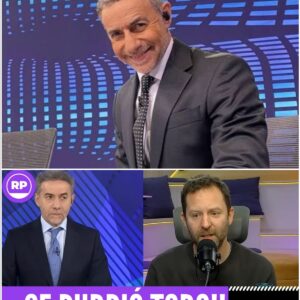
¡Tensión extrema en vivo! Ari Lijalad cruzó con todo a Luis Majul y expuso la verdad que sacude al periodismo
La fractura expuesta del ecosistema de medios en la República Argentina ha sumado un nuevo capítulo de altísima tensión que redefine las fronteras éticas del oficio y expone, de manera cruda, las insalvables distancias ideológicas y metodológicas que coexisten en…
End of content
No more pages to load