84.000 manuscritos encontrados detrás de una pared… y lo que contienen podría destrozar todo lo que sabemos sobre la historia de la humanidad.

Ochenta y cuatro mil manuscritos encontrados detrás de una pared es el tipo de descubrimiento que debería haber sido imposible, pero ocurrió en el lugar más inesperado: un rincón olvidado de una estructura antigua intacta durante siglos.
Los trabajadores que restauraron el antiguo edificio pensaron que se trataba de reparaciones de rutina, pero cuando una sección del muro se derrumbó, reveló una cámara oculta sellada tan perfectamente que ni siquiera el polvo había entrado en cientos de años.
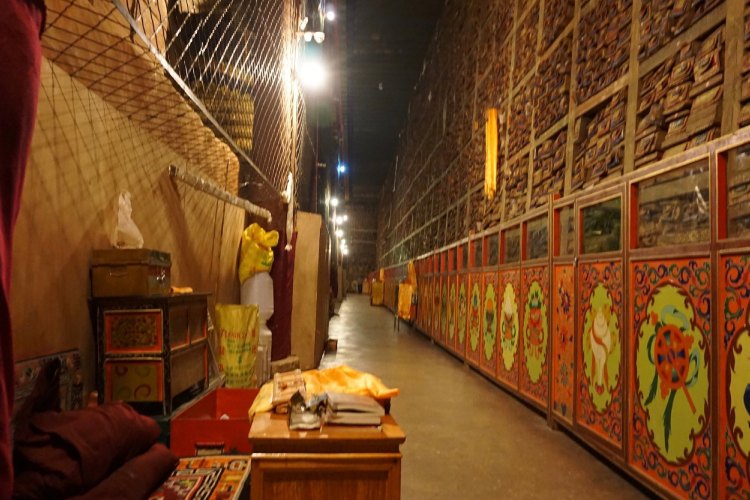
Dentro, apilados en filas silenciosas como una biblioteca congelada en el tiempo, había manuscritos: decenas de miles de ellos.
Los estudiosos rápidamente se dieron cuenta de que no se trataba sólo de un descubrimiento arqueológico, sino de una detonación histórica que podría reescribir capítulos enteros de la civilización humana.
Cuando los expertos comenzaron a examinar los manuscritos, quedaron atónitos por lo que encontraron.
No se trataba de simples textos o escritos rituales.
Contenían descripciones detalladas de antiguas prácticas científicas, procedimientos médicos avanzados, cálculos astronómicos y relatos de civilizaciones que antes se consideraban mitos o exageraciones.
Algunos manuscritos hacían referencia a reinos que nunca habían aparecido en ningún registro histórico conocido.
Otros describieron tecnologías siglos adelantadas a su tiempo: mecanismos, herramientas y procesos que nadie creía que existieran en el mundo antiguo.
Cuanto más profundizaban los estudiosos, más imposible parecía todo.
Había registros de técnicas quirúrgicas que reflejaban procedimientos modernos, con notas sobre mezclas de anestesia derivadas de plantas que se pensaba que no tenían tales propiedades.
Existían mapas estelares lo suficientemente precisos como para rivalizar con las primeras observaciones telescópicas, trazadas miles de años antes de que se inventara el primer telescopio.
Un manuscrito menciona un evento catastrófico que precedió a la historia registrada, describiendo un cambio global tan violento que los continentes y los climas cambiaron de maneras inquietantemente similares a teorías descartadas durante mucho tiempo como ciencia marginal.
A medida que los investigadores tradujeron más textos, el tono de entusiasmo pasó a la incredulidad y luego a algo más cercano al miedo.
Some manuscripts suggested that a forgotten civilization possessed knowledge that would challenge the very foundations of modern science.
There were diagrams of structures that resembled electrical generators, written descriptions of atmospheric manipulation, and even references to “sky visitors” whose descriptions matched ancient myths across multiple cultures.
But beyond the shocking scientific records, the manuscripts held something even more unsettling.
They contained eyewitness accounts of cultural collapse — detailed stories describing how knowledge was intentionally hidden, scattered, or destroyed to prevent it from falling into the wrong hands.
In one passage, a scribe wrote that certain teachings were sealed away because they were “power without wisdom,” warning that humanity was not ready to wield them.
This single line has sparked heated debate among scholars.
Was the chamber intentionally built as a vault to protect dangerous knowledge?
Or was it an act of desperation by a dying civilization trying to preserve its greatest achievements?
As more translations emerge, historians have realized these manuscripts could fill enormous gaps in our understanding of ancient humanity.
Questions once dismissed as conspiracies — lost civilizations, sudden technological leaps, unexplained structures around the world — suddenly seem less outrageous.
What once appeared to be isolated mysteries may instead be fragments of a single forgotten era.
There are signs the collection was meant to be opened one day.
Several manuscripts contain cryptic references to a distant future when “the world will ask again” and “the sleep of knowledge must end.”

Scholars don’t know what these lines mean, but their existence raises uncomfortable possibilities.
Was this discovery predicted?
Was the knowledge preserved for a specific moment in history — perhaps even this one?
Governments and academic institutions have already shown heightened interest, with some insisting that the content be kept classified until it can be evaluated.
This secrecy has only fueled speculation about what else might be hidden in the manuscripts.
Some fear that if the full collection is released, it could destabilize scientific, religious, and historical frameworks that have shaped society for centuries.
Others argue that humanity has the right to know its true origins, no matter how disruptive the truth may be.
For now, only a fraction of the manuscripts have been translated, and even that small portion has already shaken the confidence of experts in multiple fields.
If the remaining texts are even half as groundbreaking, they could reshape our understanding of human history, technology, and ancient civilizations forever.
The world stands on the edge of a revelation unlike anything seen in modern times.
What lies within those 84,000 manuscripts is not just knowledge — it is a mirror held up to the past, reflecting a version of humanity more advanced, more capable, and more mysterious than we ever imagined.
Y a medida que los académicos continúan su minucioso trabajo, una verdad se vuelve clara: la historia de nuestra especie está lejos de estar completa, y los manuscritos ocultos detrás de ese antiguo muro pueden ser la clave para descubrir los mayores secretos de todos.