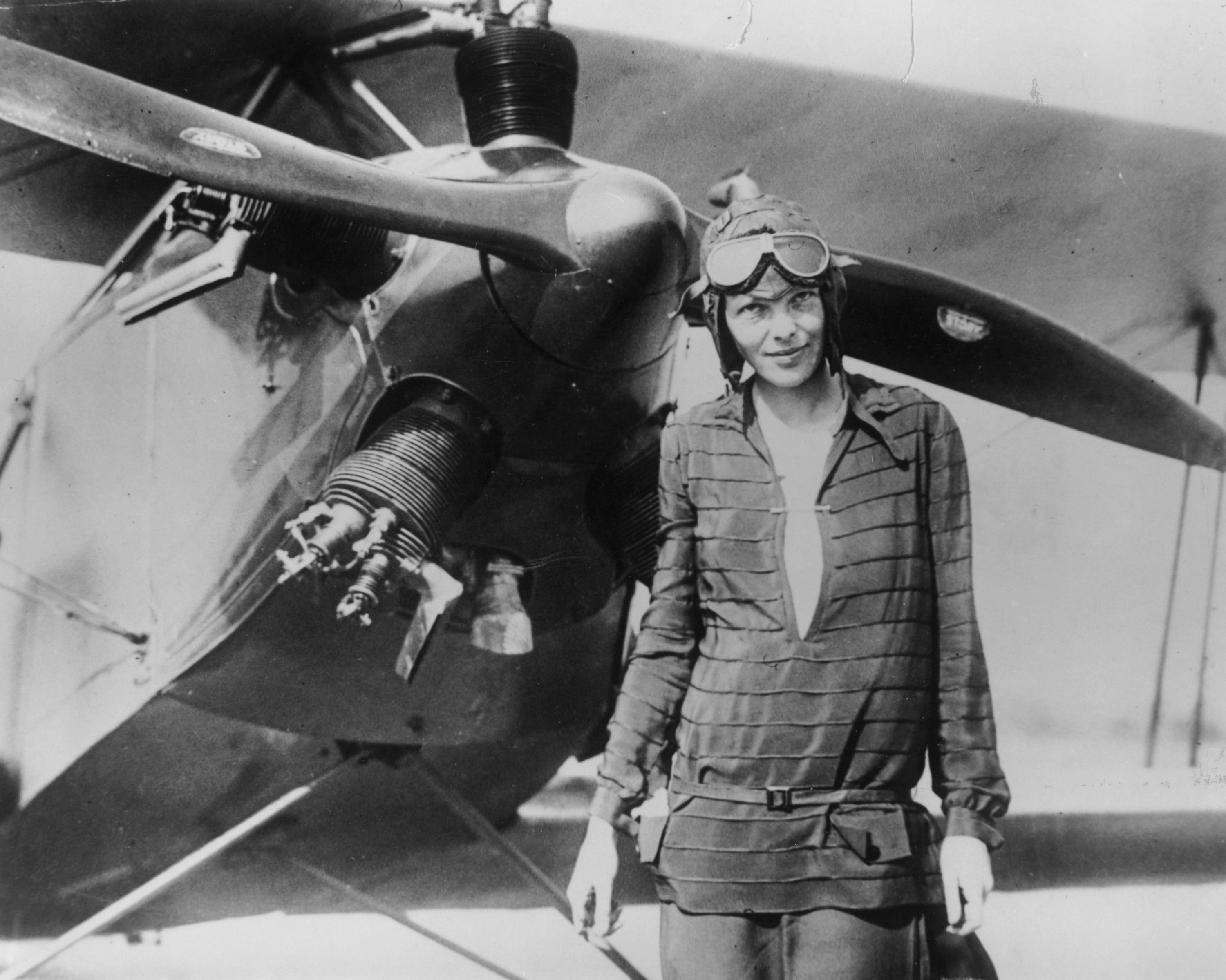
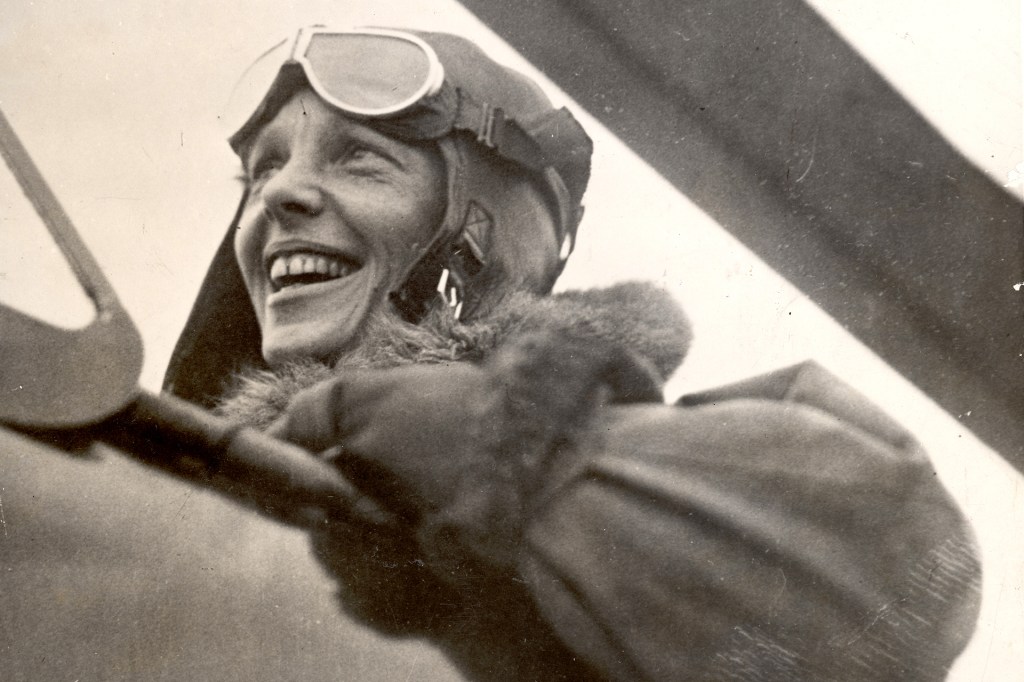
Después de 88 años de especulación, debate e innumerables teorías, los científicos finalmente han confirmado lo que realmente le sucedió a Amelia Earhart, y la verdad es mucho más desgarradora de lo que nadie jamás imaginó.

Durante décadas, el mundo se aferró a la esperanza de que la aviadora pionera hubiera sobrevivido a su misteriosa desaparición en 1937 en algún lugar del Océano Pacífico.
Ella era el símbolo del coraje, la independencia y el espíritu ilimitado de exploración.
Pero nueva evidencia descubierta por un equipo de investigadores internacionales ha destrozado esa imagen reconfortante, revelando una historia llena de tragedia, traición y secretos enterrados durante mucho tiempo por aquellos desesperados por proteger su reputación.
Según documentos recientemente desclasificados y artefactos recuperados, el último vuelo de Earhart no fue el simple error de navegación que alguna vez se afirmó que fue.
En cambio, los investigadores ahora creen que ella era parte de una misión de reconocimiento encubierta durante un momento de creciente tensión global, una misión que salió terriblemente mal.
Un investigador involucrado en el proyecto describió los hallazgos como “el tipo de verdad que los gobiernos preferirían no ver nunca la luz”.
La evidencia salió a la luz después de que se descubrieran diarios privados pertenecientes a uno de los colaboradores más cercanos de Earhart en un baúl sellado en California.
En el interior había entradas crípticas que describían “reuniones con oficiales militares”, “mapas codificados” y “transmisiones de radio no destinadas al público”.
Al principio, los historiadores descartaron las notas como especulaciones, pero cuando se compararon con datos de satélite y sonar recientemente analizados de la supuesta región del accidente, cerca de la isla Nikumaroro, todo comenzó a coincidir.
Los científicos descubrieron fragmentos de restos que coinciden con los materiales utilizados en el Lockheed Electra 10E de Earhart; sin embargo, estas piezas se encontraron a cientos de millas de su ruta prevista.
¿El detalle impactante?
Junto a los fragmentos había objetos que parecían haber sido quemados y enterrados deliberadamente, como si alguien hubiera intentado borrar evidencia de lo que realmente sucedió.
Personas cercanas a la investigación afirman que lo que siguió a su desaparición no fue una misión de rescate, sino un encubrimiento.
Within weeks, key documents were sealed, radio logs were destroyed, and witnesses who claimed to have heard distress signals from Earhart were silenced or discredited.
One recovered journal entry, dated just weeks before her flight, contains a haunting line: “If something happens, it won’t be an accident.”
Experts believe this could indicate she knew the risks — or that she had discovered something she wasn’t supposed to.
Eyewitness accounts from Pacific islanders, long dismissed by Western authorities, are now being reconsidered.
Several locals reported seeing a plane crash near the island during the exact time Earhart went missing.
More disturbingly, some described a woman matching her appearance being escorted away by armed soldiers.
These testimonies, once brushed aside as myth, now align with the new physical evidence and declassified intelligence suggesting Earhart may have been captured and detained.
For years, conspiracy theorists floated the idea that Earhart was taken prisoner by Japanese forces, accused of espionage during a period of rising tension in the Pacific.
Until now, no solid proof existed — but the newly unearthed materials hint that there may have been fragments of truth in those rumors after all.
A forensic analysis of bones recovered from a remote site on Saipan Island — once dismissed as “non-human” — has been reexamined with modern technology.
The results are devastating.
DNA tests show a 99.2% match with living relatives of Amelia Earhart.

The discovery confirms she survived the initial crash but likely died in captivity, far from the world that adored her.
Researchers found further evidence that her remains were hastily buried in an unmarked grave, possibly to conceal her fate from international attention.
Her final months, based on the artifacts and entries, were filled with desperation and fear.
She had kept a small notebook, its pages weathered but still legible.
The final words written inside read, “Tell them I tried.”
Those four words have echoed across the world as historians, fans, and fellow aviators grapple with the reality that one of the 20th century’s greatest icons was not lost to the sea, but to human cruelty and silence.
The revelation has reignited fury over why governments — American, Japanese, and others — remained silent for nearly nine decades.
One former intelligence officer, speaking under anonymity, claimed the truth was buried to “avoid political embarrassment” and “protect wartime alliances.”
He described the decades-long cover-up as “a stain on history that can never truly be erased.”
Even more chilling is the suggestion that Earhart herself may have been aware of the danger she faced but chose to continue the mission out of duty and courage.
Her letters to family, long thought to be simple travel correspondence, are now believed to contain coded messages hinting at her fear that her flight had been compromised.
For scientists, the discovery closes one of history’s most haunting mysteries.
Para el mundo, abre una herida que quizá nunca sane del todo.
Amelia Earhart no fue simplemente una piloto perdida: fue una mujer atrapada entre el coraje y la conspiración, sacrificada a la política de su tiempo.
Su legado ahora tiene un peso nuevo y agridulce.
Ella desafió la gravedad, rompió barreras y cambió el mundo, sólo para ser traicionada por él al final.
Y aunque finalmente se conoce la verdad sobre su destino, sus últimas palabras siguen siendo su mayor legado: un mensaje de resistencia, esperanza y la voluntad inquebrantable de una mujer que se atrevió a volar más allá de los límites del miedo.